conversations
-
Common things people say as they’re falling away…
Just because they say one or many of these doesn’t mean they are falling away, but these are the type of things “falling-away” people say… I’m just gonna’ take a break from church I don’t want to be too wrapped… Continue reading

-
Why you should beware mixing past-focused conversations with future-focused conversations
These two conversations are very different. They have different styles, different data, different “feel”, different implications. Swapping between them too quickly can falsely carry elements from one into the other. Past-focused conversations are mostly objective (what actually happened; numbers, times,… Continue reading

-
Assuming the centre of attention – why you find some people so annoying
Yes… Some people just seem to be more annoying than others, and the reason is usually attention. You (me too) become annoying when – in a conversation – you assume the centre of attention. Say someone’s talking about school, and… Continue reading

-
Why you should verbalise what other people are thinking…
It’s what makes the “awkward” call so good… It says out loud what people feel – awkward. If the people you’re speaking to are feeling shy, say, “I can imagine you might be feeling shy right now…” If they’re feeling… Continue reading

-
There’s only 4 conversation types
If you’re going to sit someone down and chat about their sin, there’s only a few conversations there… Do you think you’ve sinned? Are to going to stop doing this sin? How are you going TO stop doing this sin?… Continue reading

-
The best way to help MTSers develop self-assessment habits
Just one question, asked again and again… “Why?” “When you did that lesson, why did you do it that way?”, “Why did you talk to him rather than her?”, “Why did you sit there?”, “Why did you change your plans?”,… Continue reading

-
Why you shouldn’t take it upon yourself to speak on other people’s behalf
If you know what someone thinks, lucky you. But don’t take it upon yourself to speak on their behalf. Speaking on someone’s behalf is a sacred role. You need to get specific permission to speak for someone. And if you… Continue reading

-
The mathematics of normal complaints
A common experience among growing churches is they experience a growing number of complaints from “within”. This is often given as anecdotal evidence that larger churches don’t work in australia. However, there’s some simple reasons for this. Consider how often… Continue reading

-
Practice predicting other people’s responses
Some people do this more naturally than others, but it’s a great skill to develop. Especially in pastoral ministry. The fact is, when you speak to people (anyone) those people are going react to things you say. That is, they… Continue reading

-
Why you should answer questions with statements and statements with questions
Whether you’re in a small group or answering questions from out the front, this is a good rule of thumb. If someone asks a question, and assuming its a genuine question, you don’t want to beat around the bush or… Continue reading

-
Disagreement does not mean devaluing
It’s really important that we separate disagreeing from devaluing. Being disagreed with does not mean that we’re being devalued. Just because my boss doesn’t agree with me, that doesn’t mean he devalues me. Just because a husband decides against his wife’s… Continue reading

-
Unfortunately, behaviours dictate theology
It would be nice if people developed their personal beliefs from the Bible, and only from the Bible. But that’s just not the world we live in. The reality is that people have experiences, they make choices, they have behaviours… Continue reading

-
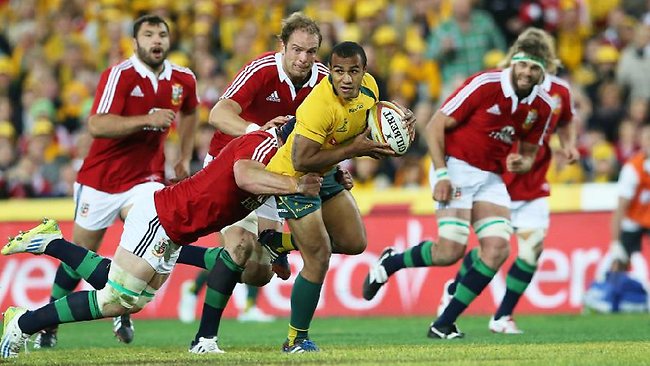
Become a “ministry in broken play” asset #everythingcomesbacktorugby
There’s two ways of thinking about ministry; One type of ministry work is being the structure asset; the person who makes the structure work, who can gather the people and make the formal, programmed event happen. You can run a… Continue reading
-
Get to know people’s processing times
People take different amounts of time to process new information and ideas. Some people process on the spot, as the words come out of your mouth, they understand, imagine, feel the implications. Other people need time… A few hours, a… Continue reading

-
Responding to Passive Aggressive comments
A good way (tho not the only way) to respond to PA comments is to call their bluff. If they’re hinting that you’ve left something undone, ask them straight; “Is there something you wanted me to do?”. If they’re hinting… Continue reading

-
How to identify passive agressive comments
Passive Agressive (PA) comments infer that there is a problem (or that you have a problem) without actually saying that there’s a problem. For example; “My last church never did it this way“, “That might make some people feel left… Continue reading

-
Validate people’s questions before you answer
Sometimes, the best apologetic is just to make your opponent believe you understand their issue. Validate their question, spend time convincing them you really do understand their question. If you don’t do this, they won’t believe you’ve thought about your… Continue reading

-
There’s a certain kind of “yes” you’re looking for
There are different kinds of “yes” you can get from people. Sometimes “yes” means “Alright FINE!”. Sometimes “yes” means “OK, but if this backfires I’ll say I told you so”. Sometimes “yes” means “You kind’a understand what I’m saying but… Continue reading

-
Most commonly ignored conversation
Do you know the most common conversation people (especially leaders) wish they had had sooner? It’s the “What I think about you” conversation. That might sound like a difficult conversation – and it would be if it was with someone… Continue reading

-
Should you tell your spouse everything?
Marriages shouldn’t have secrets. You should never promise that you won’t tell your wife/husband. People who reveal private and personal details to you should know that those details could go to your spouse. But “could” is the operative word there.… Continue reading

 MINISTRY PRINCIPLES & PRAGMATICS